


Explore the electric bus range in India. See how they can reduce emissions and costs. Join the movement for cleaner transport options. India is taking big steps towards a cleaner and greener future, and one of the most exciting developments is the introduction of electric buses. These eco-friendly vehicles are not only reducing pollution but also transforming public transportation. If you’re curious about how far electric buses can go on a single charge or how they’re changing the transportation landscape in India, this article will explain everything in simple and easy-to-understand words.
What is an Electric Bus?
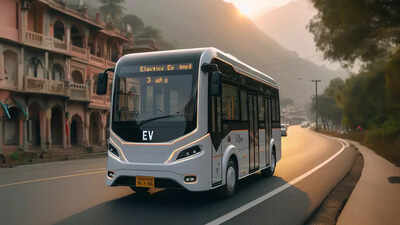
An electric bus is a vehicle powered by electricity instead of diesel or petrol. It uses a battery to store energy, which powers an electric motor to move the bus. Electric buses are quieter, produce zero emissions, and are much cheaper to run compared to traditional buses.
Why Electric Buses are Important for India
- Reducing Pollution:
Electric buses help reduce air pollution, which is a major problem in many Indian cities. They produce no tailpipe emissions, making them environmentally friendly. - Fighting Climate Change:
By replacing diesel buses with electric ones, India can reduce its carbon footprint and contribute to global efforts to combat climate change. - Lower Operating Costs:
Electric buses are cheaper to operate and maintain compared to diesel buses. They require less frequent servicing and have fewer moving parts that can break down. - Energy Independence:
Electric buses can be charged using renewable energy sources like solar power, reducing India’s dependence on imported fossil fuels.
Electric Bus Range: How Far Can They Go?
The range of an electric bus refers to the distance it can travel on a single charge. In India, most electric buses have a range of 150 to 250 kilometers on a full charge. However, this can vary depending on factors like:
- Battery Capacity:
Buses with larger batteries can store more energy and travel longer distances. - Road Conditions:
Hilly terrain or heavy traffic can reduce the range of an electric bus. - Weather:
Extreme temperatures, especially heat, can affect battery performance and reduce the range. - Passenger Load:
A fully loaded bus with more passengers will consume more energy, reducing the range.
Electric Buses in India: Key Players and Models

- Tata Motors:
Tata Motors is one of the leading manufacturers of electric buses in India. Their Tata Starbus Electric has a range of up to 180 kilometers on a single charge. - Ashok Leyland:
Ashok Leyland’s Circuit Series electric buses are widely used in Indian cities. They offer a range of 120 to 150 kilometers. - Olectra-BYD:
Olectra-BYD, a collaboration between an Indian and Chinese company, produces electric buses with a range of 200 to 250 kilometers. - JBM Auto:
JBM’s ECO-Life electric buses are known for their efficiency and have a range of 150 to 200 kilometers.
Charging Infrastructure for Electric Buses
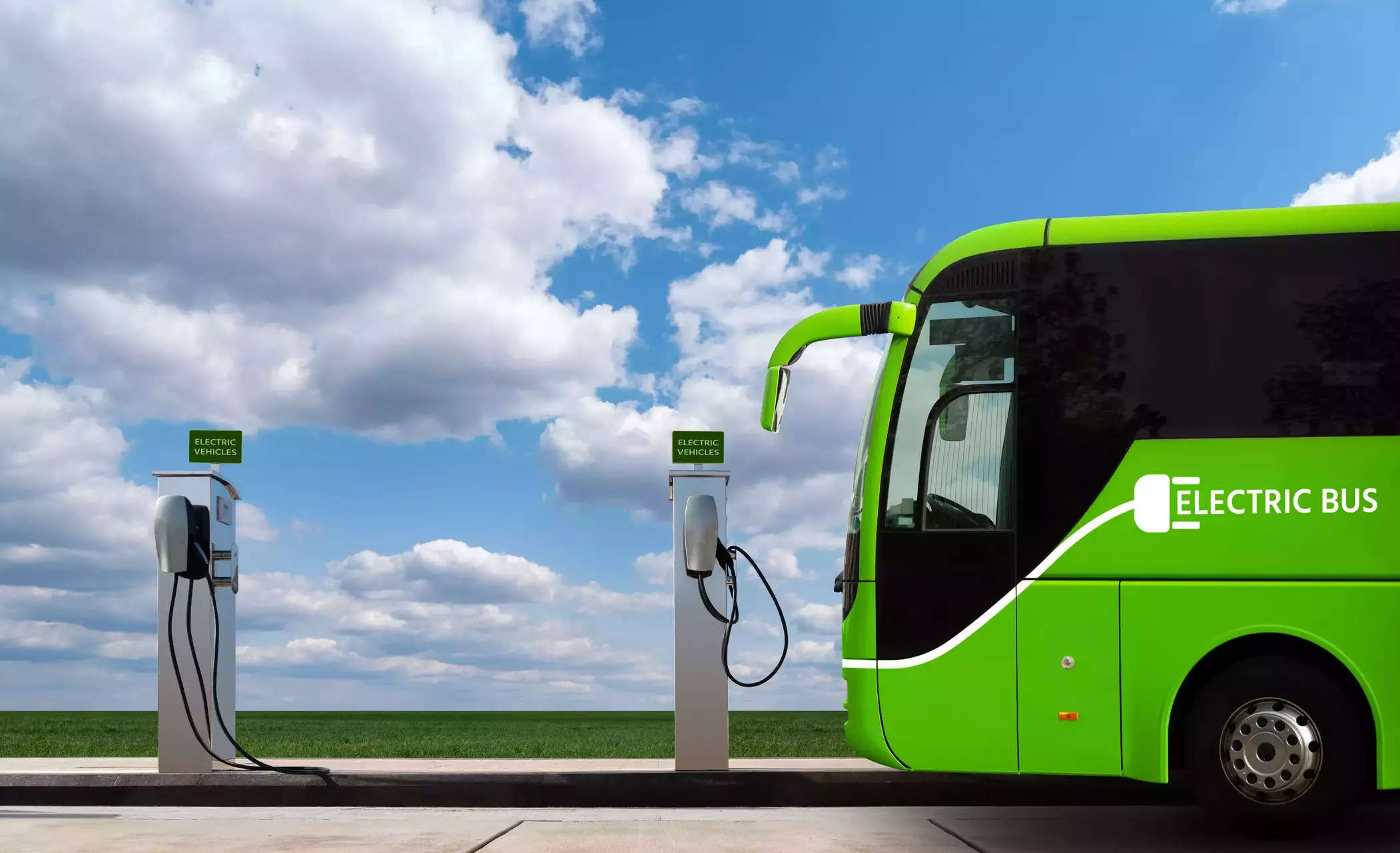
For electric buses to operate efficiently, a robust charging infrastructure is essential. Here’s how India is addressing this challenge:
- Charging Stations:
Many cities are setting up charging stations at bus depots and terminals. These stations use fast chargers to recharge buses quickly. - Battery Swapping:
Some companies are exploring battery-swapping technology, where a depleted battery is replaced with a fully charged one in minutes. - Solar-Powered Charging:
To make electric buses even greener, some charging stations are powered by solar energy.
Government Initiatives to Promote Electric Buses
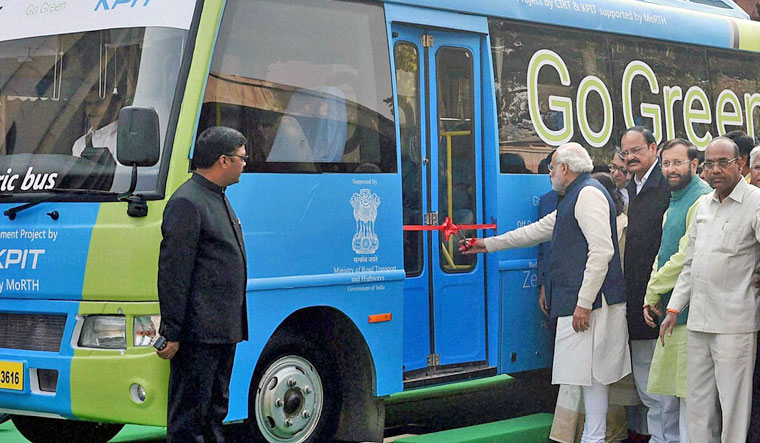
The Indian government is actively supporting the adoption of electric buses through various schemes and policies:
- FAME India Scheme:
The Faster Adoption and Manufacturing of Hybrid and Electric Vehicles (FAME) scheme provides subsidies to states and cities for purchasing electric buses. - Smart Cities Mission:
Under the Smart Cities Mission, many cities are introducing electric buses as part of their sustainable urban transport plans. - State-Level Policies:
States like Delhi, Maharashtra, and Karnataka have launched their own initiatives to promote electric buses.
Benefits of Electric Buses for Passengers
- Comfortable Ride:
Electric buses are quieter and smoother than diesel buses, providing a more comfortable ride. - Cleaner Air:
Passengers can enjoy cleaner air inside and outside the bus, improving their health and well-being. - Affordable Fares:
With lower operating costs, electric buses can offer more affordable fares to passengers.
Challenges Facing Electric Buses in India
- High Initial Cost:
Electric buses are more expensive to purchase than diesel buses, though their lower operating costs make up for it over time. - Limited Range:
While the range of electric buses is improving, it is still a concern for long-distance routes. - Charging Infrastructure:
India needs to invest more in charging infrastructure to support the widespread adoption of electric buses.
The Future of Electric Buses in India
The future of electric buses in India looks bright. With advancements in battery technology, the range of electric buses is expected to increase, making them suitable for longer routes. The government’s push for cleaner transportation and the growing awareness about environmental issues will further boost the adoption of electric buses.
By 2030, India aims to have a significant portion of its public transportation fleet powered by electricity. This will not only reduce pollution but also make Indian cities cleaner, greener, and more livable.
Conclusion
Electric buses are a game-changer for India’s public transportation system. With a range of 150 to 250 kilometers on a single charge, they are becoming a viable and eco-friendly alternative to traditional buses. Supported by government initiatives and advancements in technology, electric buses are paving the way for a sustainable future.
So, the next time you see an electric bus on the road, remember that it’s not just a vehicle—it’s a step towards a cleaner, greener India. Let’s embrace this green revolution on wheels!
