

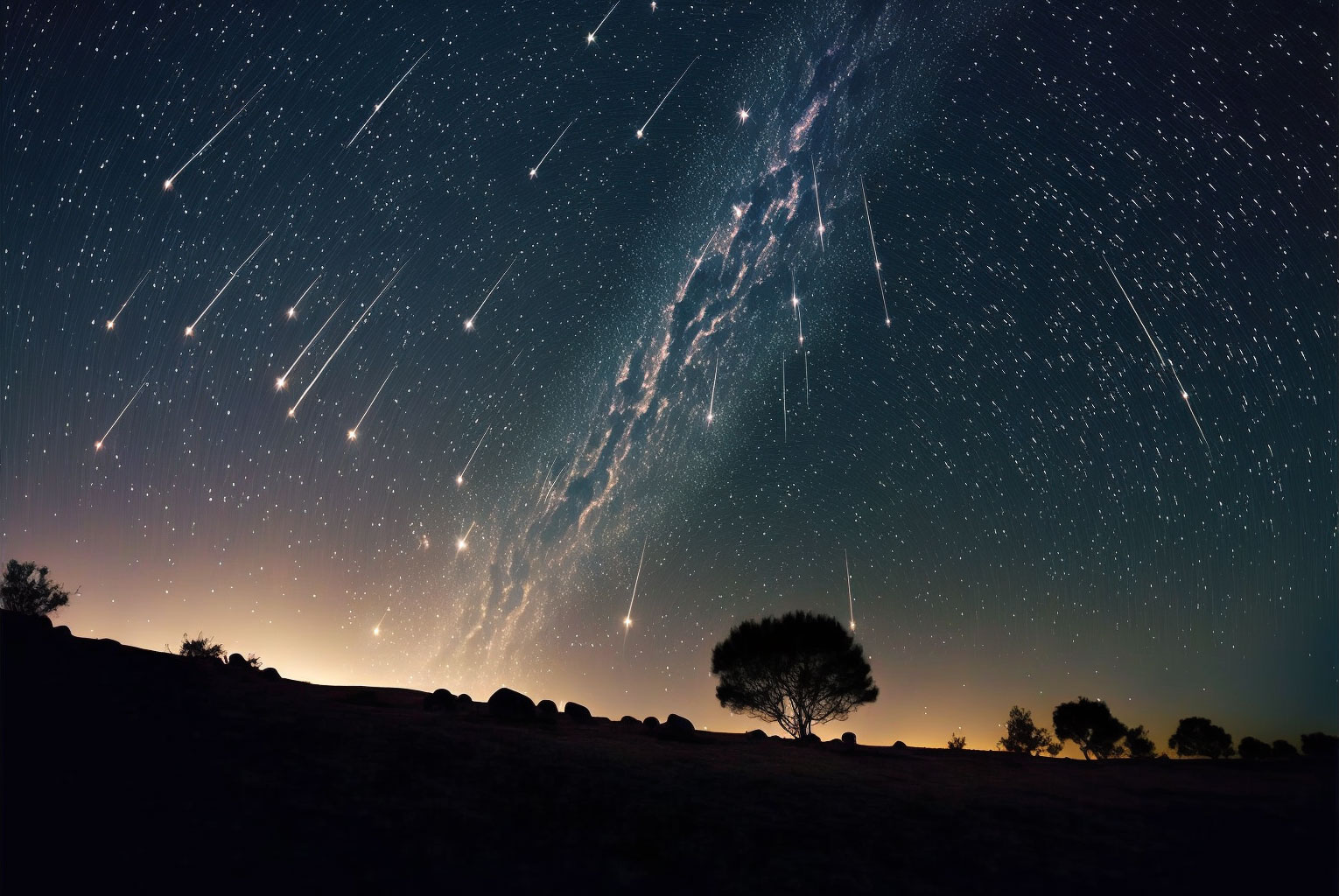
The Quadrantids meteor shower is one of the most captivating astronomical events of the year. Known for its short but intense peak, this meteor shower is a must-see for stargazers and enthusiasts alike. In this article, we delve deep into the history, science, and viewing tips for the Quadrantids, ensuring you have all the information you need to make the most of this celestial display.
What Are the Quadrantids?
The Quadrantids meteor shower is an annual event that occurs every January, originating from the remnants of an asteroid or extinct comet. Unlike other meteor showers, which may last for weeks, the Quadrantids have a narrow peak window of just a few hours, making timing crucial for optimal viewing.
Origins and History
The Quadrantids are named after the now-obsolete constellation Quadrans Muralis, first identified by French astronomer Jérôme Lalande in 1795. Although the constellation no longer exists in modern star maps, its name lives on through this meteor shower.
The parent body of the Quadrantids is believed to be the asteroid 2003 EH1, which might be a fragment of a comet that broke apart centuries ago. When Earth passes through the debris trail left by this asteroid, the particles burn up in our atmosphere, creating the dazzling light streaks we observe.
When and Where to See the Quadrantids
Peak Activity
The Quadrantids are typically active between December 28 and January 12, but their peak activity occurs around January 3-4. During this time, skywatchers can witness up to 120 meteors per hour under optimal conditions.
Best Viewing Locations
For the best view of the Quadrantids, head to locations with minimal light pollution. Rural areas or national parks away from city lights are ideal. In the Northern Hemisphere, the shower’s radiant point, located near the constellation Boötes, rises high in the sky during the early morning hours.
Optimal Viewing Times
The early hours before dawn are the best time to observe the Quadrantids. Ensure you are outdoors at least 30 minutes before your planned viewing time to allow your eyes to adjust to the darkness.
The Science Behind the Show
The Quadrantids are unique compared to other meteor showers. Their short peak is due to the narrow stream of debris Earth passes through, resulting in a concentrated burst of activity.
Meteor Speeds and Brightness
Quadrantid meteors travel at speeds of about 41 kilometers per second. Many are bright and have striking colors, ranging from yellow to green. The brightness is due to the size and composition of the meteoroids, which are denser and larger than those in other showers.
Radiant Point and Trajectory
The radiant point of the Quadrantids lies near the Big Dipper’s handle, close to the star Arcturus in Boötes. While meteors can appear anywhere in the sky, tracing their paths backward will lead you to this point.
How to Prepare for Viewing
Check the Weather
Clear skies are essential for meteor watching. Use reliable weather apps to ensure favorable conditions in your area. Cloud cover can obscure the view, so plan accordingly.
Gear and Essentials
While no special equipment is necessary, a few items can enhance your experience:
- Comfortable seating: Reclining chairs or blankets make long periods of stargazing more enjoyable.
- Warm clothing: January nights can be chilly, so dress in layers to stay warm.
- Snacks and hot drinks: Keep yourself energized and cozy with light refreshments.
Avoid Light Pollution
Minimize exposure to artificial lights, including your phone or flashlight. Use red-light filters to preserve your night vision.
Fun Facts About the Quadrantids
- Short-lived brilliance: Despite their brief peak, the Quadrantids are one of the most active meteor showers.
- Ancient origins: The debris responsible for this meteor shower is over 500 years old.
- Rare parent body: Unlike most meteor showers linked to comets, the Quadrantids originate from an asteroid.
Tips for Capturing the Quadrantids
Use the Right Equipment
A DSLR camera with a wide-angle lens is ideal for photographing meteors. Set your camera to a long exposure (10-30 seconds) and use a tripod to keep it steady.
Select the Perfect Spot
Choose a location with a clear view of the sky and minimal obstructions like trees or buildings.
Be Patient
Meteor photography requires patience. Take multiple shots to increase your chances of capturing a meteor.
Why the Quadrantids Stand Out
The Quadrantids meteor shower is a testament to the beauty and unpredictability of nature. Its vibrant meteors and short-lived peak create an unmatched sense of urgency and excitement. Unlike other meteor showers, the Quadrantids offer a uniquely intense experience for those willing to brave the cold January nights.
