


The electric vehicle (EV) revolution is accelerating in India, driven by the urgent need for sustainable and eco-friendly transportation. A crucial component of this transformation is the EV battery, which determines the vehicle’s range, efficiency, and overall performance. India is witnessing a surge in domestic and international EV battery manufacturers, establishing the country as a global hub for lithium-ion battery production. Below, we highlight the top EV battery manufacturers in India, their key contributions, and their role in shaping the future of mobility.
1. Tata Chemicals

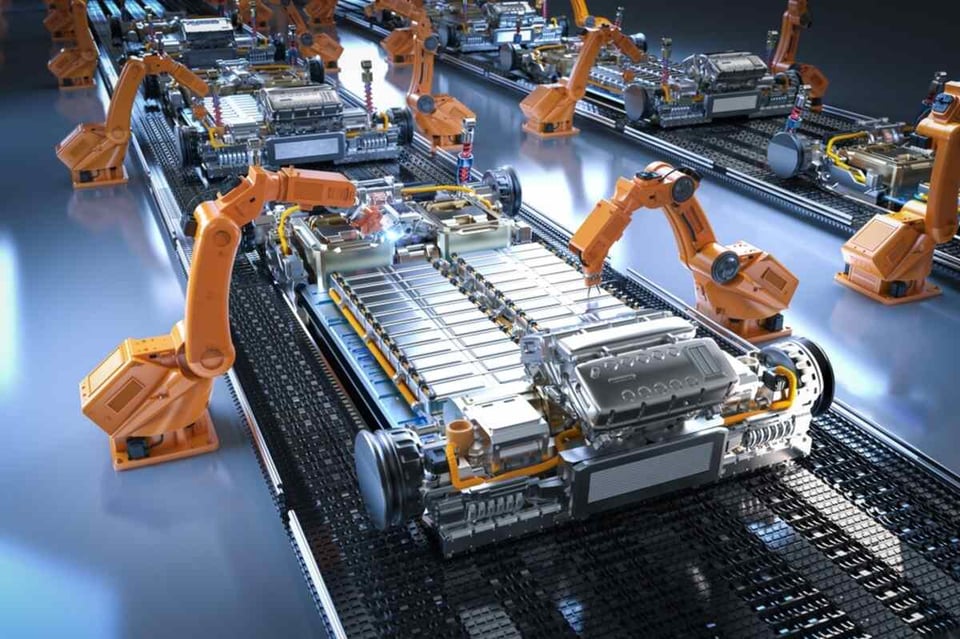
Tata Chemicals, a subsidiary of the Tata Group, has emerged as a frontrunner in the Indian EV battery manufacturing industry. The company is investing heavily in the production of lithium-ion cells and has set up a battery manufacturing plant in Gujarat. With a focus on sustainability and innovation, Tata Chemicals is paving the way for high-performance EV batteries.
Key Highlights:
- Developing indigenous lithium-ion battery solutions
- Setting up a state-of-the-art battery recycling facility
- Collaborating with leading automakers to supply high-efficiency batteries
2. Amara Raja Batteries

Amara Raja Batteries, known for its Amaron brand, is one of the leading battery manufacturers in India. The company has made significant investments in lithium-ion battery technology and energy storage solutions. Amara Raja aims to support India’s growing EV market with advanced battery packs tailored for two-wheelers, three-wheelers, and commercial EVs.
Key Highlights:
- Plans to build a gigafactory for lithium-ion cell production
- Strong R&D initiatives in battery management systems
- Partnering with international firms for advanced battery technology
3. Exide Industries
Exide Industries, a pioneer in the Indian battery industry, has been supplying lead-acid batteries for decades. However, with the EV boom, Exide has expanded into lithium-ion battery manufacturing in collaboration with Leclanché SA. The company aims to become a major player in India’s EV ecosystem with cutting-edge battery solutions.
Key Highlights:
- Established a joint venture, Nexcharge, for lithium-ion batteries
- Focused on battery recycling and sustainability
- Supplying batteries for electric buses and commercial fleets
4. Livguard Energy

Livguard Energy is quickly emerging as a strong contender in the EV battery segment in India. The company specializes in high-performance lithium-ion batteries for electric two-wheelers and three-wheelers. With its strong R&D capabilities, Livguard is producing energy-dense and long-lasting battery packs.
Key Highlights:
- Developing advanced battery management systems
- Focused on smart and fast-charging technologies
- Collaborating with leading EV manufacturers for OEM supply
5. Okaya Power Group

Okaya Power Group has made a significant mark in the EV battery manufacturing sector by offering a diverse range of lithium-ion and lead-acid batteries. The company has invested in modern battery production facilities and supplies batteries for electric rickshaws, scooters, and commercial EVs.
Key Highlights:
- Established large-scale lithium-ion battery production units
- Providing customized energy storage solutions
- Strong distribution network across India
6. Panasonic Energy India

Panasonic is a global leader in battery technology and has a strong presence in the Indian EV battery market. The company supplies high-quality lithium-ion cells and battery packs to electric vehicle manufacturers in India.
Key Highlights:
- Advanced lithium-ion cell manufacturing
- Supplying batteries for electric cars and buses
- Focused on improving battery lifespan and performance
7. BHEL (Bharat Heavy Electricals Limited)

BHEL, a government-owned entity, has ventured into lithium-ion battery manufacturing in collaboration with ISRO (Indian Space Research Organisation). The company aims to develop indigenous battery solutions to reduce dependency on imports.
Key Highlights:
- Developing high-energy-density batteries for EVs
- Focused on affordable and sustainable battery solutions
- Contributing to India’s “Make in India” initiative
8. Reliance New Energy Solar Ltd.
Reliance Industries has made strategic investments in EV battery technology, with an ambitious plan to set up a massive lithium-ion battery manufacturing facility. The company is working on next-generation battery technologies, including solid-state batteries, to revolutionize the EV sector.
Key Highlights:
- Developing cutting-edge battery technology
- Establishing a gigafactory for large-scale production
- Partnering with global battery leaders for R&D
9. HBL Power Systems
HBL Power Systems has been a key player in India’s battery industry and has recently expanded into lithium-ion battery solutions for electric vehicles. The company focuses on advanced battery chemistry and energy storage solutions for EVs and renewable energy applications.
Key Highlights:
- Expertise in energy storage solutions
- Developing indigenous lithium-ion battery technology
- Supplying batteries for commercial EV applications
10. Godi India

Godi India is a pioneering firm in lithium-ion battery manufacturing with a strong emphasis on research and innovation. The company is focused on developing advanced battery cells with higher energy density and improved thermal stability.
Key Highlights:
- First Indian company to manufacture lithium-ion cells domestically
- Strong R&D focus on sustainable battery solutions
- Collaborating with global partners for technology transfer
The Future of EV Battery Manufacturers in India
India’s EV battery industry is poised for rapid expansion, backed by government incentives, growing investments, and increasing consumer demand. With the rise of electric mobility, manufacturers are focusing on sustainable battery production, fast-charging technology, and energy-efficient solutions.
As India aims to become a global EV hub, the role of domestic battery manufacturers will be pivotal in ensuring the affordability, efficiency, and sustainability of electric vehicles. With initiatives like Make in India and PLI (Production-Linked Incentive) schemes, the country is on track to reduce its dependency on imports and develop a self-sufficient EV ecosystem.
